Social Entrepreneurship and Sustainability in the Coffee Industry
- Ella Weinstein
- Sep 9, 2025
- 29 min read

Updated: Sep 10, 2025
Capstone Research
Written by Bella Boak-Weinstein
Supervised by Robert Von Mahs

Anecdotal Experience
My time at Cafe Monteverde Life coffee farm in Monteverde, Costa Rica.
The fresh scent of the rainforest surrounds me as I sip my morning coffee. Sitting in the lush verdant hills of Monteverde, Costa Rica, I reflect on what a privilege it is to be in the most biodiverse place in the world; and experience the allure of its flora and fauna. In 2022, I spent a week immersed in the routine of Cafe Monteverde Life, a sustainable coffee farm: learning, working, and gaining a deeper understanding of what it takes to produce a cup of coffee. This experience sparked my love of coffee and later shaped my capstone.
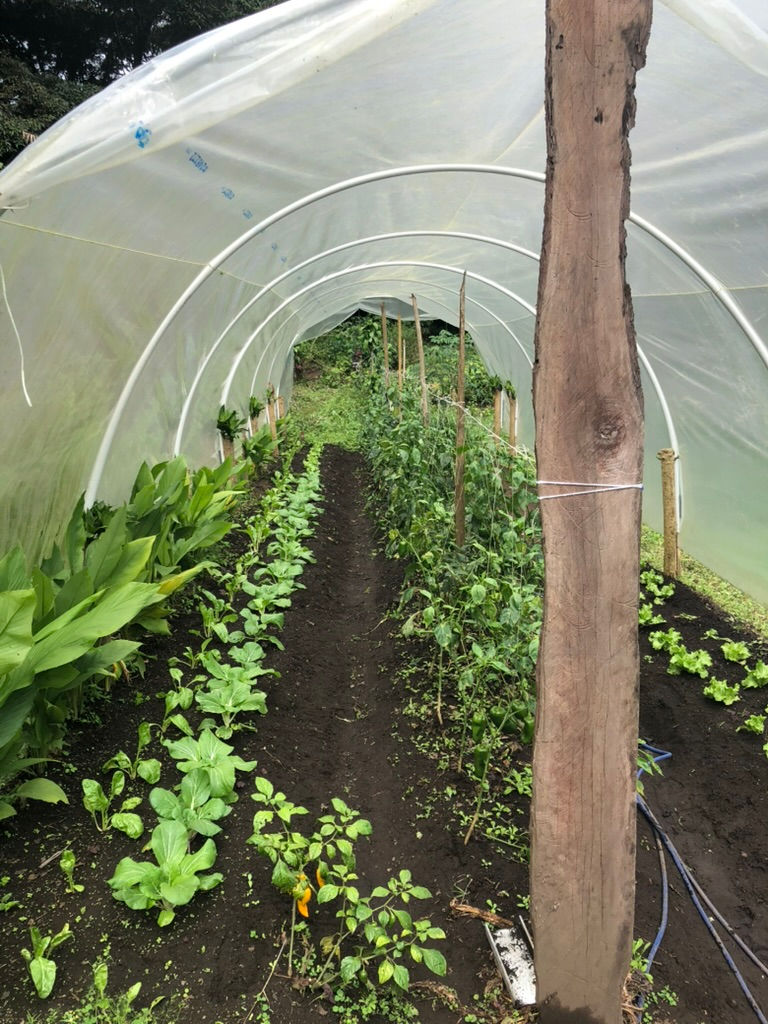

Each day, I helped clear paths and pull weeds alongside farmers who spend their lives cultivating coffee with care for the land. I learned from scientists about their cultivation techniques, sustainability practices, and reuse processes. The afternoons were spent partaking in coffee tastings, discovering the varieties of ways coffee is processed, and tasting the complexities of flavors that can be achieved. At night, I stayed with a host family whose daughter was a barista at the farm’s cafe. In the evenings, I played soccer with other young farm workers, scientists, and volunteers. The care, the community, and nature cultivated my profound love for coffee.


Though my love for coffee grew, as did my apprehension for the industry. Cafe Monteverde’s model was of sustainability. Led by trained scientists and a deep commitment to ecological preservation of the notorious Cloud Forest their farm lies in. Beneath this edenic setting, I encountered reality. Even on a Fair Trade farm, known for their 3rd party verification and high ethical standards, the coffee pickers who are primarily migrant workers from Nicaragua, were paid only $2 a day. Hearing that this wage was the wage for higher worker standards, it was shockingly low. Subsequently, I researched and found that on average Costa Rica’s cost of living is about $1,300 a month with higher costs in a tourism town such as Monteverde (Sharpe, 2025). With one month's pay being $30, this discrepancy being applauded with an ethical certification was appalling. This was a paradox I couldn’t ignore; this farm truly upheld environmental practices, yet operates within an economic, social, and political global system that undervalued the back breaking work of coffee production at every step of the way.
My experience inspired my exploration of sustainability in the coffee industry. I left Cafe Monteverde Life with an appreciation for the craft of coffee growing, processing, and brewing but also with a sense of disgust for the industry. This wasn’t sustainable. Not for the people. Not for impending climate change. Not for the businesses.

Introduction
Social Entrepreneurship and the Coffee Industry
What is Social Entrepreneurship?
To create a sustainable world, shared value is the future of business. Current business as usual is viewed as the main culprit of creating social, environmental, and economic problems (Porter, 2011). By prioritizing short-term financial gain, it symbolizes an outdated approach to value creation. Social entrepreneurship is an avenue to redefine business and push the economy towards equity, sustainability, and economic development (Dees, 1998). Through the lens of sustainability and entrepreneurship, this thesis explores principles and applications of social entrepreneurship to gain insight on how to improve sustainability and generate positive social impact in the coffee industry.


Social Entrepreneurship
Coffee and Its Waste
Examining the coffee industry is necessary to address climate change as it is the world's most consumed beverage after water with 2.25 Billion cups of coffee drank each day (Yaquab, 2025). This popularity leads to 60 million tonnes of used coffee grounds being brewed each year globally (Antonio, 2023). For such a ubiquitous drink, there is no adequate circular strategy for coffee, with an estimated 75% of used coffee grounds going to landfill (Can You Recycle Used Coffee Grounds?). Looking at the supply chain as a whole, coffee produces 29 kg of greenhouse gases for every 1kg of coffee produced (Ritche, 2022). After chocolate, coffee has the highest greenhouse gas emission rate. In fact, it emits 50.95 kg of CO2 for every 1000 kilocalories which is more than beef at 36.44kg (Ritche, 2022); meaning the coffee industry emits massive amounts of carbon dioxide while inefficiently providing kilocalories.
Coffee is a unique industry. Aside from its deep cultural roots and its integration into the daily routines of many, it is especially difficult to cultivate, making sustainability concerns all the more prevalent. The coffee industry has environmental, economic, and social issues which are only worsening with climate change. Environmentally, deforestation, land use, and water use are all of concern. Economically, biodiversity loss from said environmental issues create vulnerabilities for stakeholders from local farmers tonational economies. Socially, the environmental and out of the home is expected to reach $473.10 billion this year of 2025. (O’Connor, 2025). The coffee industry is growing for one main reason: young people. Gen z and millennials, which together make up roughly 50% of the world's population are drinking coffee younger and more frequently (Gen Z and gen alpha info-graphic update, 2023; Neufeld, 2021). With this, comes young peoples’ concern for sustainability and the expansion of alternative milks and increased demand for 3rd party certifications. Coffee culture is also developing and deepening in regions which had previously not had a culture such as the middle east and eastern Europe. The two largest players in the coffee industry reaping the benefits of this expansion are Nestle and Starbucks. Both mega corporations that encompass multiple spheres of the coffee industry globally such as processing, serving, coffee machines, and coffee pods (O’Connor, 2025).
Conglomerates like Nestle and Starbucks down to small independent roasters all rely on global trade. Coffee is the second most globally traded commodity after crude oil. Coffee is traded from countries in South and Central America, Africa, and South East Asia to importing countries such as the United States, Germany, and other European Countries. (See Chart). 68% of all coffee exports are imported by the EU, USA, Canada, and UK (Wallach, 2023). Meaning more than 68% of the time, coffee has taken a long, greenhouse gas intensive shipping process to be brewed in your cup. For such a large, global, and beloved product in its current fashion is deeply extractive and unsustainable. To amend this, social enterprise strategies can and should be applied.

Social Enterprises
Social enterprises are businesses with social, environmental, or community missions in tandem with financial ambitions. In social enterprises, solving societal problems are at the core of their business models (Porter, 2011). These businesses embody the notion of social responsibility, “a moral framework where organizations …strive to act for the greater good and avoid causing harm to society and the environment” (Soken-Huberty, 2022). Missions are met through a variety of economic models, non-for-profit, for profit, and hybrid. These companies use a variety of tactics to accomplish their missions via shared value. Shared value is when an organization can create value for stakeholders on multiple fronts. For example creating profits while also improving a community. This sector is “growing rapidly in size, scope and support” (Summerfield, 2020) due to its unique ability to address social problems with the efficacy of capitalism, rather than a bureaucratic governmental organization (Porter, 2011). Businesses are far more effective at marketing and motivating customers to adopt products and goods than governmental organizations.
There are three main avenues social enterprises use to create shared value: re-conceiving products and markets, redefining productivity in the value chain, and enabling local cluster development (Porter, 2011). After examining the problems in the coffee industry, potential solutions will be discussed within this framework.

Problems in the Coffee Industry
Coffee faces particular challenges with climate change and social issues.
As the most consumed beverage after water, coffee is deeply intertwined with peoples daily lives globally, yet behind every sip is a network of environmental, economic, and social degradation. According to Project Drawdown, a non-profit organization dedicated to researching and promoting the most effective science-based strategies to address climate change, the third most effective climate solution is reducing food waste. The coffee industry plays a major role in this solution. Not soley due to the waste that is generated across its global supply chain, but because of the intensive resources required to grow, process, and distribute it. From deforestation and biodiversity loss to exploitative labor and unsustainable land use, coffee is emblematic of the broader issues across the agriculture industry. These problems are interconnected, creating and reinforcing cycles of climate vulnerability, ecological degradationand social inequity. As climate change accelerates, the coffee industry faces a dual threat as both a contributor to and a casualty of the climate crisis. The following section discusses the key issues: environmental, economic, and social; that define coffee’s unsustainable practices and explores why rethinking and redesigning the core of the coffee industry is urgently needed.

Environmental Climate Change
The coffee industry has an environmental footprint that encompasses a wide variety of processes. Getting from a coffee seed to your cup every morning begins in an area of the world that is especially ecologically sensitive and integral ecosystems. Coffee farming contributes significantly to deforestation, land use change, soil degradation, and water pollution. These types of environmental degradation accelerate climate change and biodiversity loss. These impacts are externalized in the daily practices of coffee production. As global demand for coffee is rising, this issues are evermore important. The following sections examine and analyze how coffee cultivation and production impacts the natural world and its resources.

Deforestation
To create coffee plantations, especially large scale ones, the rain forest is cut down to make space for coffee plants. Coffee can only be grown in a very small area of the world known as the coffee belt located between 25 degrees north and 30 degrees south of the equator and at an altitude of 2,000-6,500 ft (Chimps). Much of this area is or was occupied by rain forest. Sun grown coffee plant strains produce about 2-3 times more coffee than shade grown variants, encouraging farmers to cut down forests to plant this more short term economically viable plant strain (Pierce). Long term this is detrimental to the environment and farmers livelihoods. Due to this, 37% of the world’s coffee production is directly linked to deforested areas. In 2024, only 36% of the world's rain forests remain intact (Impact of coffee deforestation: Brewing a better future, 2024)(Only a third of the tropical rainforest remains intact). This is an issue out right as the rainforests are one of the earth's most impactful carbon sink. When looking at deforestation by the coffee industry on a more holistic scale, it is even more detrimental.

Land Use Change
Growing coffee not only emits greenhouse gases, but does so on lands that used to absorb CO2, turning carbon sinks into carbon producers. This practice is deemed land use change. The land use change and farming of coffee combined are responsible for over half of coffee’s carbon footprint (See Chart Above) (Ritchie, 2022). The coffee industry along with cacao and palm oil are one of the main culprits of the degradation of one of earth's most integral carbon sinks. This shift from the land being a carbon sink to carbon emitting speeds up climate tipping points and worsens cycles of environmental degradation.

Soil Degradation and Water Pollution
Coffee production leads to soil degradation and water pollution through deforestation and processing methodologies. Rainforests are the most biologically diverse ecosystems on earth (Butler, 2020). When massive tracts of these ecosystems are clear cut, the land loses its ability to regenerate. Coffee plants create a chemical build up in soil. The land which once held many species and varieties of plants to exchange nutrients with and had deep roots to maintain soil health, once turned into sun-grown coffee monoculture plantations creating run off and polluted water. Unfortunately, runoff is one of many water issues in coffee production. “On average, it takes about 140 liters of water to produce a single cup of coffee” (The environmental impact of coffee growing and transportation, 2024). Massive amounts of water are being used at every stage of production and when not sustainably managed, causes environmental problems.

Similar to other agricultural industries, the use of pesticides and fertilizers pollute waterways harming aquatic and wildlife. More unique to the coffee industry, comes the problem of eutrophication.
Eutrophication is “a process that occurs when excess nutrients build up in a body of water, which can lead to algal blooms, low oxygen levels, and dead zones” (US Department of Commerce, 2013).
Examining the coffee industry, this is particularly important due to the fact that “fifty-seven percent of the coffee bean is made up of contaminants” (Varcho). Coffee beans are extracted from cherries. These cherries are essentially shells that are taken off during processing.

These “contaminants” are biomass that when dumped in waterways, uses up the oxygen in the water and kills aquatic species (Varcho). The coffee beans and their cherry shells are separated by a process called wet milling. Wet milling is the high industry standard for quality and flavor and is water incentive at 2 of its stages in which cherries are soaked to loosen the cherry shells from the beans, and then later after further processing are washed again toremove pulp (Magic of Milling). Especially due to the high elevation and mountainous topography of most of the coffee producing regions, it is especially difficult to control these wastewater streams. When waste water contaminates drinking water and habitats, it can strain local water supply and kill wildlife (Varcho).
Biodiversity Loss and Coffee Borer Beetle
Through land and water use, coffee production destroys habitats leading to the loss of biodiversity. Biodiversity loss is an outright issue on a global scale especially when considering the deforestation in the rainforest. Specifically examining the coffee industry, it is once again more destructive and diminishes the productivity of growing coffee. “Climate change and habitat loss will increase the extinctions of land bird

species and decrease pest control, triggering the coffee berry borer (CBB) survival and distribution” (Bilen, 2022). The Coffee Berry Borer is the most economically important and damaging coffee pest worldwide and can lead to crop yield losses of 20% (Le Pelley 1968) (Vega, 2004). The CBB causes an estimated $500 million in losses each year and can diminish coffee value by 30-40% (Vega, 2004). This is detrimental to local economies in the world's 70 coffee producing countries with 10 countries having coffee as their main export. Intensification of the CBB problem could significantly undermine major economies such as Brazil, Vietnam, and Columbia (Top 10 Coffee Producing Countries).
Lack of efficiency in the coffee industry stands to create real economic and environmental losses. Data from Our World Data illustrates that across its supply chain, coffee losses account for about half of GHGs emitted from coffee (Ritchie, 2022). For every 1kg of coffee beans produced, 29kg of CO2 are emitted (Ritchie, 2022). Though a vague term, losses refer to the loss of coffee yield, extreme weather, inefficient harvesting or possessing, and lost farmers income. Loss of potential coffee yield is often attributed to pests, diseases, and extreme weather events; occurrences of which are only becoming more prevalent with climate change. Losses also occur with poor harvesting practices and inadequate processing. In an industry where the overwhelming majority of producers are small farms in impoverished nations with lack of access to new technologies and processes, this can result in a reduction in the amount of coffee beans that can be harvested and sold, reducing overall coffee output and farmer income.

Future climate change forecasting exhibits serious vulnerabilities environmentally and economically. Experts estimate that the two main coffee varieties consumed, Arabica and Robusta, could be extinct as soon as 2050 (Clarke). Due to rising temperatures and the limited viable growing conditions of coffee, producers are forced to higher altitudes for cooler conditions. This leads to further deforestation and environmental degradation, but also exhibits a far more rudimentary limit: reaching the top of the mountains with no more room to grow. The viable land for coffee production is rapidly shrinking while the consumption of coffee is expected to grow by 5.4% CARG by 2033 (Research). Similarly, rapid climate change will influence flowering phenology which impacts the diversity of pollinator bees; a pollinator deficit is predicted in the future with up to an 18% decrease of pollinators in future coffee-suitable regions (Bilen, 2022). Fewer arable lands and pollinators with the extinction of the widespread varieties indicate a massive need for change to make the coffee industry sustainable for the future.

Climate and Vulnerability
Socially, the coffee industry creates both immense opportunity and susceptibility for the vulnerable communities and economies. Small-scale farmers produce about 70% of the world’s coffee with 125 million people depending directly or indirectly on coffee production for their economic survival (Jones, 2018). Considering most coffee producing countries are impoverished and lack effective social infrastructure, these people's lives depend on coffee production. With increasing instability in yield with accelerating climate change, it poses significant threats to these communities and sees to worsen workers safety and child labor issues.
Social Practices
From a practice standpoint, the coffee industry is deeply problematic rooted in cycles of poverty with the use of child labor and modern slavery. “Coffee farmers typically earn only 7–10% of the retail price of coffee… [with] workers earn less than 2% of the retail price” (Bitter Brew: The Stirring Reality of Coffee). To survive, many parents have their children work on farms. It is a double edged sword because as coffee prices rise, child labor is an incentive for greater output, yet when coffee prices fall parents need help to make ends meet. The low price of coffee and the lack of living wages establishes and reinforces cycles of poverty through generations. “A study in Brazil found that child labor rates were approximately 37% higher—and school enrollment 3% lower—than average in regions where coffee is produced” (Bitter Brew: The Stirring Reality of Coffee).
Due to the scale at which coffee is consumed, its waste across the value chain, and its unique environmental requirements, there are many opportunities to reduce food waste, generate positive economic, social, and environmental impact. Using social entrepreneurship strategies, the following analysis outlines strategies to save a beloved industry from contributing to climate disaster and being a victim of it.

(List of goods produced by child labor or Forced Labor)
Potential Solutions
Contextualized within social entrepreneurship and shared value strategies.
After analyzing the myriad of problems within the coffee industry, the following are a collection of potential solutions. Using social entrepreneurship and shared value strategies, these ways to improve the coffee industry environmentally, socially, and economically with all stakeholders. Framework of social entrepreneurial shared value strategies are as follows:
Re-conceiving products and markets
Redefining productivity in the value chain
Enabling local cluster development.
(Porter, 2011)
Some of these solutions are of my own research while others are widely established.
Re-conceiving Products and Markets
“Society's needs are the hugest unmet needs of the economy, not just society” (Porter, 2011). Social needs such as health, better housing, less environmental damage etc are all opportunities for both social and economic gain. These are essentially untapped markets. Re-conceiving the kinds of products companies create and how they do so will provide a more sustainable economic and social development. Applying traditional business strategies to social problems will be far more effective than governments ever could be due to their experience and resources. To reach these undeserved markets, products, systems, and services need to be redesigned, marketed, and developed which businesses are well versed at.
Technology
The future of coffee products are heading towards the use of AI and automation. If done in a strategic and responsible way, this type of technology can be used to improve efficiency and reduce coffee waste. The companies Mahlkonig and La Marzocco recently announced a partnership to create The Sync System which would reduce commercial coffee waste. This system uses data and AI to automatically adjust the grind size of the coffee bean to get the optimal espresso shot and extraction (The Sync System). Currently, baristas must dial in the espresso machine. This process entails a trial and error method of adjusting the grind size of the coffee to get the correct amount of extraction. This must be done throughout the day and changes frequently due to changing pressure in the grind hopper, humidity, and temperature. Automating this process enables a more precise method which reduces coffee waste, creates a better drink, and reduces the workfor the barista creating shared value for stakeholders.
Genetics technology is also being applied to coffee and is an avenue to explore to improve the climate resistance. Discussed in the Deforestation section, coffee can only be grown in a very small amount of the world. Due to climate change “farmers are seeing shifts in growing seasons and are increasingly vulnerable to droughts, floods, and temperature extremes” (Titus) Creating new strains of coffee that are able to grow in

a larger variety of environments, more drought tolerant or heat resistant. Similarly, genetic developments in coffee strains could make them more disease and pest resistant. These developments could help safeguard against the Coffee Borer Beetle. Currently, the International Coffee Genome Network (ICGN) is the leading organization developing genetic solutions for coffee. Using techniques such as gene banks and maintaining seed depositories, ICGN conducts research, preserves the plant, and has a breeding program (Titus). These genetic innovations could save communities, farms, and economies which would otherwise be decimated by the inability to grow coffee.


Rainforest Alliance (Jones, 2023) Sun grown coffee plantation. Photo by Stacy Philpott.
Farming Practices
There are many sustainable farming techniques such as shade grown coffee, agroforestry, intercropping, organic farming, and integrated land management to improve sustainability of coffee production. These are all impactful strategies when applied, but still fall short of the necessary innovations needed to climate proof coffee.
A simple alternative practice is shade grown coffee, a strain of coffee that is able to thrive in more bio diverse environments without the need for deforestation to access sunlight. This prevents many of the environmental concerns of coffee producing such as deforestation, biodiversity loss etc, but only produces ⅓ of the output of sun grown coffee, creating supply and space issues (Campbell, 2019). Though it produces less, shade grown coffee requires significantly less fertilizer inputs than sun-grown coffee and doesn’t cause soil depletion. (Leahy, 2018). To incentivize farmers to produce more shade grown coffee by paying a premium for it. An exampliary example of communities using shade growing techniques is Puerto Rico, which boasting having 50 other plant varieties growing alongside the coffee plants (Mirando-Castro, 2025.
Agroforestery and intercropping are two grow methods that can reduce negative environmental impact of coffee. Intercropping is when multiple crops are grown together. Intercropping helps farmers on multiple levels by improving the quality of coffee, financilaly, and thtough environmental preservation (Klave, 2025). Agroforestry is the practice of integrating trees into coffee farms. These solutions work with a combination of sun and shade coffee plants requiring intentional design of the farm. This method helps climate proof coffee through preserving biodiversity and pest management (Exploring agroforestry in coffee production for Climate Resilience). Providing a habitat for birds is an impactful strategy to manage the Coffee Borer Beetle. One study in Brazil demonstrates that presence of birds can reduce the CBB infestation by up to 15%. The simple solution of having trees can result in a potential 3% increase in yield (Kellerman, 2008). As coffee is such a massive industry, a 3% yield increase is impactful.
Organic coffee farming is an approach some farmers are using, but it is not a very impactful solution for climate resillience. It requires three years of only using natural fertilizers and pesticides. It ensures no chemicals are coming into contact with the plants Though it reduces water pollution from runoff, the primary issue of water pollution is due to eutrophication from improper disposal of the cherry shells themselves. Though mitigating water pollution is important, without the use of other techniques it will not contribute much to coffee resiliency. This solution is more of a market-driven label for the benefit of the customer than a climate adaptation strategy.
Fair Trade is a third party verification of coffee that “promote[s] sustainable livelihoods, safe working conditions, protection of the environment, and strong, transparent supply chains” (Fair Trade Coffee: Why is fair trade certified coffee important?). This is an impactful way to provide certification of current farm sustainability and human rights conditions. As a measurement technique is effective and mitigates against slavery and child labor, but falls considerably short of requiring living wages for workers. Fair Trade Coffee is significantly better than non fair trade products concerning labor standards, but positions itself as far more successful than it is. Fair Trade simply pays farmers more from their crops increasing their income by 10-30% (Fair Trade Coffee: Why is fair trade certified coffee important?). This falls considerable short of shared value experiments which research shows can increase incomes by up to 300% (Porter, 2011).
Circular Economy Strategies
Currently, coffee has a linear lifecycle with an estimated 60 million tons of used coffee grounds going to landfill (Researchers advance effort to turn spent coffee grounds into food packaging, 2016). Considering coffee is an involved product to cultivate and has many useful properties, circular economy strategies should be applied to reduce its overall carbon footprint. Coffee has valuable properties suchas its nitrogen rich composition, smell absorption, and caffeine properties. Through compost redistribution, bio-plastics, and product applications, reusing coffee can be a profitable and environmentally impact endeavor.


The most basic use of used coffee grounds is compost. The limit to this is lack of infrastructure and incentives to encourage home and commercial users to collect the grounds. A more impactful avenue for coffee ground compost is rethinking the market. Currently, there are countries around the world experiencing a shortage of nitrogen and fertilizers. Due to the war in Ukraine and American sanctions on Russia, countries especially in Africa and Asia do not have enough fertilizer which is diminishing food security (Rice, 2024). Rethinking coffee waste distribution as a market has the potential for profit, GHG emission reduction, and improving food security.
Bio-plastics are an up and coming industry with signs of mainstream success already. Expected to be valued at $57 Billion 2032, bio-plastics are an innovated circular solution to waste streams (Schewartz 2024). Already companies such as AirxCoffee and Rens are making products from mugs to sneakers out of used coffee grounds. Currently, the only products on the market made of coffee-based-bioplastics are asfollows: sneakers, mugs, watches, jewelry and some designer furniture. A few companies in are beginning to sell coffee based 3D printing filament though much of it is unverified for material content. On the textile side products, coffee based yarn is gaining popularity with brands like Timberland beginning to use this product (Morrison, 2022). This is an extremely limited line up of products for a massive “waste” stream of material inputs to be taken advantage of.
In the vein of reuse, coffee grounds are beginning to be used in the beauty industry. Used coffee grounds are an effective odor neutralizer, skin exfoliate, and insect repellent (Zoppi, 2021). Additionally, some studies show that the caffeine in coffee can be good for your skin and stimulate hair growth when applied topically. Though not fully commercially available, used coffee grounds have potential as a natural hair dye as well (Zoppi, 2021). There is room for many more products in this space that leverage coffees natural properties while creating useful, and effective products.

Redefining Productivity
As the coffee industry faces the sustainability challenges discussed in the previous section, redefining productivity across the industry is critical to safeguard its long-term viability. This section examines how productivity can be reimagined by use of technology, minimizing losses, and supporting farming communities. By investing in the land, the people, and the communities who cultivate coffee, the industry can create a sustainable future for coffee that is a more resilient, efficient, and equitable supply chain.
This tactic is deemed redefining productivity to create shared value in the value chain. Businesses do not exist in vacuums, but in communities. “Businesses need communities to create demand, public assets, and a supportive environment” (Porter, 2011). In the same vein, communities need businesses for jobs and wealth creation opportunities. Community development can improve in tandem with profits. For example, poor education means higher training costs and lower productivity. Poor transportation infrastructure means higher infrastructure costs and logistics (Porter, 2011). If businesses were to help improve such social problems, it can also benefit their business and bottom line. Applying these notions across various sectors of health, housing, etc, both communities and businesses can thrive. This creates an opportunity to not only redefine, but redesign our world.
Farming Productivity
From the farming perspective, redefining productivity is crucial. Current metrics of coffee efficiency are based on yield and quality with companies paying a premium for higher quality products. This must be redefined towards sustainability. If coffee continues to be produced in an extractive manner, the industry will fall victim to climate change. Production that is slowly but surely killing the industry is not productive. Currently, 40% of coffee’s emissions come from farming (Ritchie, 2022). Contributing to climate change on such a scale while degrading the land is not efficient if companies are concerned about longevity, not just for the land but for their profits. Redefining productive coffee growing for sustainable practices, land longevity, quality, and yield is a more efficient definition to ensure long-term viability. This redefinition of productivity within the coffee buying and producing community would enable the use of the sustainable farming technique discussed in the previous section.
Similarly, currently 40% of coffee’s emissions come from losses (Ritchie, 2022). As laid out in the problem sections, losses refer to the loss of coffee yield, extreme weather, inefficient harvesting or possessing, and lost farmers income with the coffee borer beetle being a prime culprit. Redefining what acceptable losses are within the coffee growing process would also result in companies investing in sustainable farming techniques. These techniques would improve land fertility, mitigate against the coffee borer beetle, and minimize extreme weather impact.
From the economic lens, farming productivity can be redefined. Generally, most coffee farms are passed down generationally and operate with very small margins leading to many social inequities. One way this could be redefined is enabling external entities to provide funding opportunities. One pilot program from Nestle aided coffee farmers in the Philippines to secure bank loans, designed to “address the financial needs of marginal and small farmers” (Nestlé aids coffee farmers to avail of easy access credit). These loans, totaling about $900 USD, features a reasonable 6% interest rate and up to 10 years to pay back. Micro loans like these can provide business saving equipment to small farmers. Additionally, in this program “farmers gain access to good quality plantlets at cost, technology transfer through training across the country, a support network of agronomists, and strategically located buying stations” (Nestlé aids coffee farmers to avail of easy access credit). Programs like this can be hugely impactful to yields, margins, and sustainability capability. Unfortunately, influential programs like this are far and few between. This program only aided 45 farmers in 2018 with little follow up information. This pattern is widespread within Nestles network as the world's largest coffee producer (Caldwell). Other programs they have that enhance and redefine farming productivity include grants, agripeneurship programs, supplying plant stock, collaborating on shared facilities, and providing technical assistance. These strategies would have an immense impact if they were applied at scale.

Nestle’s agripeneurship programs have proven effective at creating shared value in limited applications. Nescafes’ program in Vietnam provided training on sustainable farming practices and techniques to improve quality with staggering results. “Coffee farmers have saved costs by reducing 40 per cent water for irrigation and 20 per cent chemical fertilizers and pesticides while increasing their incomes by 30-100 per cent by using intercropping models” (Anh, 2020). This program was active on 52 farms over a decade and had investment of about $600 million USD. Programs like this are the epitome of shared value creation. They minimize cost, environmental impact, and improve social equity. By investment and education in communities and farms, Nestle activated the use of sustainable farming techniques reducing water and chemical fertilizer use; techniques which now can be taught within the communities and passed down generationally. They raised incomes for their farmers drastically all while helping ensure a future of the coffee industry, it profits, its consumers, and its producers.

Technology Productivity
Another avenue to redefine productivity is technology. In coffee processing, many techniques, steps, and machinery is required. By leveraging community and creating shared facilities, production, quality, and economic viability can be increased. One example is cogeneration. Coffee roasting is a “highly energy intensive process” (Pantaleo et al, 2018). Cogeneration, or combined heat and power (CHP) is a means of electricity and heat production using a single source of energy (Combined Heat and Power Basics). In a study conducted in an Italian roastery, researchers tested various cogeneration systems to recover waste heat from coffee roasting. They found that cogeneration systems were more cost-effective than other methods. This technology improves energy efficiency and profitability for producers (Pantaleo et al, 2018). With lower costs, this could also be an avenue to pay higher rates to coffee farmers. If energy productivity and the use of heat was redefined to this efficiency standard, companies would invest in the necessary technologies, creating shared value.
Social Productivity
Redefining social productivity is another avenue to impact real change. Currently, much of that work force is forced or child labor. This is unacceptable in much of the world yet big coffee companies are not committed to truly rooting out these practices. Redefining what is acceptable and productive within the living and working conditions of their laborers would lead to drastic change. Companies need a work force. Many of the people living in coffee producing regions live under extreme poverty. This is an unsustainable and unreliable reality for companies depending on these communities as a workforce. If people in these communities continue to live in extreme poverty, the companies may not have a workforce in the future. In this vein, providing basic needs, living wages, safety, training, and opportunities for advancement would improve the efficiency of workers and improve overall happiness. Nespresso has integrated some of these social improvement practices, one example of which is their retirement savings programs for farmers in Caldas, Colombia (Nespresso AAASustainable Quality™ Program, 2016). This type of program is a great example of ways coffee companies can improve the communities in which they operate. The specific program itself falls short of impactful as it is only a pilot program in one town. Considering Nestle did $101.54 Billion dollars in revenue in 2024, the scale of this program is incredibly weak (Nestlé (NESN.SW) - revenue, 2024).

Clustering
Enabling local cluster development is an effective tactic for social enterprises to create shared value. Local clusters are when a business concentrates production. By having processing plants, factories, farms, suppliers, professional organizations, and other stakeholders close to one another, efficiency is significantly increased (Porter, 2011). When considering production, using local suppliers and manufacturing decreases lead times, simplified logistics, and minimizes transportation costs while increasing community engagement profits, and yield (Porter, 2011).
Globalization is one of the biggest culprits for this tenant of social value creation being diminished. Companies seeking economic efficiency go all around the world for sourcing and production. This practice allegedly increases economic efficiency, but diminishes resource efficiency. By creatingclusters, resources can be used much more efficiently which results in economic efficiency.
Though effective when executed well, when clustering is practiced poorly, it can have detrimental impacts on the communities in which they operate.
Clustering can bring together coffee farmers, cooperatives, processors, exporters, researchers, and social enterprises in localized ecosystems. The last section discussed financing and educational programs Nestle carries out. Programs like this can leverage clusters to provide training and assistance to more people. This can also assist in bulk buy programs as well as increasing buying power. Minimizing distances and shipping requirements for coffee also decreases carbon footprint and creates stronger local economies.
Due to the specific geographical areas coffee can be grown in, it naturally clusters to some degree. Though much of coffee is grown in regions with poor infrastructure such as challenging roads, lack of access to regular mail, and limited transportation can decrease crop efficiency. Farmers more often than not don’t have the funds to invest in such services to improve their outputs (Building Social Equity in specialty coffee production, 2024). Creating clusters of coffee cultivation, production, and processing and investing in those clusters can improve profits and socioeconomic standings. (Building Social Equity in specialty coffee production, 2024).
Though clustering can be useful as a business strategy, socially it falls short in several key areas as it can marginalize non clustered farmers, relies on external investments, and creates power imbalances. In terms of marginalizing farmers, clustering leaves out farmers in more challenging regions such as remote areas, smaller farms, or in conflict affected areas.Many of the benefits of clustering comes from shared facilities, training, and external investments. Though these programs are effective, they also involved external actors into an existing community. When shared facilities and financing programs are involved, this lead to dependence and can result in power imbalances. Leveraging economies of scale and sharing educational resources greatly benefits communities, it also creates relationships which can be exploited for financial gain.
It also leaves communities vulnerable as they rely more and more on that single industry. This can result in situations such as the US Rust Belt. The Rust Belt is “geographic region of the United States that was long the country’s manufacturing, steelmaking, and coal-producing heartland but that underwent dramatic industrial decline that resulted in widespread unemployment, increased poverty, decay, and population loss” (Wallenfeldt, 2025). Many coffee producing countries rely heavily on the industry for the economy and livelihoods. Investing more solely intocoffee in those regions may result in more harm than good if not done in conjunction with investments in areas such as general education, infrastructure, health, and other basic industries.
Overall, clustering is the least effective form of shared value creation. “A growing body of evidence suggests that cities’ reliance on only one or even a few industrial clusters can result in a brittle economy and a high concentration of economic risk” When areas become completely reliant on one industry and its clusters, it creates opportunity for exploitation, economic devastation, and the loss of independence.
Rebrew NYC
Re-imagining coffee to reduce food waste, leveraging clustering, and create shared value.
See brand: https://rebrew.nyc/

Brand Ideology
Embodying the research I conducted, I created a business entitled Rebrew NYC. Rebrew NYC was born from a love of coffee and a deep concern for its impact. As the most consumed beverage in the world after water, coffee fuels our days, but its production leaves behind a trail of waste and environmental degradation.
At ReBrew NYC, we’re reimagining waste as a resource, transforming spent coffee grounds into sustainable textiles and prints. Our inaugural Café Collection features hand towels pieces dyed and printed with upcycled coffee grounds, creating a circular design that transforms coffee waste into functional art. This collections pays homage to the places that have shaped the city’s coffee culture. Each hand towel is hand dyed and printed with used coffee, and features illustrations of iconic local cafés—Veniero's Pasticceria & Caffe, Caffè Reggio, and Porto Rico Importing Co. Every piece is made by the designer in NYC using ethically sourced materials.
Currently I am working on partnering with local cafés to turn their own coffee waste into custom merchandise, creating products that are meaningful, circular, and rooted in place.
At Rebrew, sustainability and community are integral, creating designs that are both beautiful and responsible. As we grow into apparel and merch, our mission remains the same: to give new life to coffee and create a tangible connection between coffee, community, and sustainability.
Rebrew nyc is a direct application of the principles of social entrepreneurship laid out in this paper.

Public Exhibitions
This project is featured in this years NYCxDESIGNxSOUVENIR Exhibition Show for NYC Design week, May 15-21 2025.
This project has also had pop up features with American Design Club, Canal Street Market, and Rivian.

Process

Re-conceiving Products and Markets
According to Project Drawdown, a non-profit organization dedicated to researching and promoting the most effective science-based strategies to address climate change, the third most effective climate solution is reducing food waste. It is not just the wasted food itself that is an issue for the environment, but the industry as a whole. When food is wasted, all the energy, resources, and money that went into producing, processing, packaging, and transporting it are wasted, too...generat[ing] greenhouse gases at every stage.
Rebrew nyc re-conceives products and markets by rethinking coffee waste in the context of food waste. Addressing the issue of excessive food waste, food waste carbon emissions, and coffee production efficiency. As such a large industry, With 60 million tons of coffee grounds brewed each year, it is integral to find alternative solutions to coffee waste (Neolan, 2025).
This business re-conceives coffee waste through circular economy strategies, reuse, and composting. Rebrew leverages all the work, emmisions, and money that goes into cultivating and serving coffee by upcycling its end product: used coffee grounds.
I created a method and recipe to print and dye fabrics using upcycled coffee grounds. This method diverts used coffee ground from landfill as it is collected, reused, and composted. The ink and dye are natural alternatives to chemical products and are completely biodegradable.
Life Cycle of Coffee

Re-Defining Productivity
Natural dyes and inks are different from traditional chemical products. They fade overtime and are biodegradable. In current industry, fading is undesirable.
Rebrew redefined productivity in longevity. Things aren’t meant to last forever. Natural dyes and inks with proper care last about 2 years. Though shorter than chemical inks, products with chemical

inks/dyes leach into water, are absorbed into skin, and will last for decades in a landfill. Hand towels are often replaced within a few years with age, staining, and mold. By using 100% Organic cotton material and biodegradable dye and ink for everything down to the tags, these products can biodegrade in your backyard.
Clustering
Leveraging clustering techniques, Rebrew nyc uses proximity and community to create valuable products and stories. The wholesale business uses the waste from local cafes to create their own merchandise. Produced in the East Village, the used coffee grounds are sourced within the same community they are being produced in reducing shipping, minimizing carbon emissions and cost. This replaces merchandise made overseas with toxic dyes while minimizing a businesses waste.
Stakeholders
Stakeholders include the business I partner with/local cafes, NYC compost, me as the artist, and the customers.
Impact Measurement
To measure the positive impact of this business and its model, there are a few metrics that indicate success. The amount of used coffee grounds diverted from landfill. The amount of merchandise sold is also an indicator of how many people who resonated with the storytelling and have gained a deeper appreciation for coffee. Lastly, the number of cafes partnered with is an indicator of cafes who already compost or are now beginning to due to this program.
Conclusion
Using social entrepreneurship and shared value strategies, Rebrew nyc re-conceives markets through sustainable innovations, redefines productivity by considering use and end of life, and leverages clustering to minimize waste streams from cafes. Together these create a sustainable business model which reduces food waste, creates sustainable products, and builds community.
Life Cycle of Coffee
All materials used to dye and print are 100% biodegradable

Conclusion
Strategic thinking is integral to sustain the coffee industry with climate change.
My time at Café Monteverde Life was the catalyst for both my love and discontentment with coffee which ultimately inspired this capstone. While I learned firsthand how coffee can be grown environmentally sustainably, I also witnessed how even the most “sustainable” farms are not socially or economically viable. Through research, the exploitative nature of the global economic system of which coffee is a part of cam to light and was at the forefront of many of the industries issues. This phenomena is not unique to the coffee industry but is one of many that need systemic transformations.
Through the analysis of the coffee industry’s environmental, economic, and social challenges, this capstone demonstrates the urgency and necessity of reimagining, redefining, and reforming coffee production and consumption through the lens of social entrepreneurship.
As coffee is such a ubiquitous drink and is only growing in popularity, social enterprises offer a compelling path forward in which the synergies of profit and purpose can be taken advantage of. Coffee waste can be turned into valuable products, benefiting both people and planet.
By adopting shared value strategies, supporting circular economies, and investing in local communities, we can begin to address the injustices, inefficiencies, and degradation practices that plague coffee’s global supply chain.
Rebrew nyc is an invitation to rethink what our daily cup of coffee could be. To teach people the value of what we consider waste and how design and creative practices cancreate tangible change. With rebrew nyc tackling coffee waste along side companies like Kaffeform and Airx, one day people may not even consider putting their coffee grounds in the trash can. A notion that can be applied across industries, disciplines, and issues.
Design, entrepreneurship, and sustainability can and should intersect to reshape industries, ideas, and technologies. For coffee, the tools, practices, and strategies are evident and effective. They simply need to be put to use and invested in to create a coffee economy that is equitable, regenerative, and resilient. What remains is the collective will to act.
Acknowledgments
Thank you to all who helped me with this project.
Jurgen Von Mahs - Capstone Advisor
Monterverde Life Farm - For inspiring my love of coffee
Barent Roth - Faculty Project Advisor
Tucker Viemeister - Faculty Project Advisor
Boym Partners - NYCxDESIGNxSOUVENIR Curators
NYCxDesign Festival - Feature
American Design Club/Canal Street Market - Feature
Rivian Pop Up - Feature


Comments